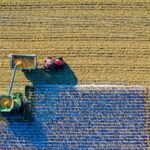
In the face of climate change, resource scarcity, and rising global food demand, sustainable agriculture is no longer an idealistic concept—it’s a business imperative. The Food and Agriculture Organization (FAO) projects that the world will need to produce 60% more food by 2050 to feed a growing population. Simultaneously, agriculture is responsible for over 24%
As global demand rises for sustainable alternatives to plastic, the biodegradable materials industry is emerging as a key sector in Central America. Countries in the region are starting to position themselves as innovation hubs in green manufacturing, driven by regulatory changes, consumer preferences, and a growing interest from both local and international investors. With increasing
Guatemala’s textile and apparel industry has long been a cornerstone of the country’s manufacturing sector. In recent years, however, it has become increasingly evident that national investors are taking a more active role in supporting its modernization and expansion. As international demand for nearshoring options grows, Guatemala’s unique geographic position and skilled labor force have
In Central America, bread is much more than a staple food—it’s a cultural icon, a daily necessity, and a growing economic engine. From artisan bakeries in colonial cities to industrial-scale operations supplying major supermarkets, bread plays a central role in the regional food industry. With changing consumption patterns and evolving production models, bread’s significance in
The naturist industry in Guatemala is experiencing a notable rise, driven by increased health consciousness, demand for alternative medicine, and a cultural return to ancestral healing practices. Known for its rich biodiversity and deep-rooted Mayan traditions, Guatemala has become a fertile ground for natural health remedies. This growing industry is not only changing consumer health
The culinary identity of Central America is experiencing a powerful resurgence—not only on the plates of regional diners but on the agendas of global investors and hospitality giants. This emerging gastronomic awakening across countries like Guatemala, El Salvador, Honduras, Nicaragua, and Costa Rica is increasingly drawing attention from business leaders who see the sector as
When a business achieves local success, the natural next step for many entrepreneurs is expansion. But growth is not always a straight line upward. Even the most profitable companies can stumble when entering new markets, overestimating demand, or stretching resources too thin. A report by CB Insights reveals that 35% of startups fail because of
Cryptocurrencies have transformed from a fringe financial concept into a global asset class, and Central America is no exception. Over the past few years, digital assets like Bitcoin and Ethereum have found growing traction across the region, spurred by government interest, grassroots adoption, and a tech-savvy younger generation. With countries like El Salvador pioneering crypto
In Central America, the expansion of mobile networks has become essential for economic development, digital inclusion, and modernization. One of the most critical yet often overlooked components of this digital infrastructure is the radio base station—an indispensable technology that enables wireless communication. As demand for high-speed mobile internet continues to surge, radio base stations are
Guatemala’s plastics industry has steadily evolved into a vital engine of national economic development. Over the last two decades, this sector has demonstrated a capacity for growth, diversification, and global competitiveness. Today, plastics not only contribute significantly to the country’s GDP but also represent a major source of employment and technological innovation. In 2023, Guatemala