In today’s hyper-competitive landscape, customer loyalty is more elusive than ever. Businesses that once relied on pricing strategies or convenience are finding that those levers are no longer enough to create lasting relationships. What endures in the minds and hearts of consumers is brand authenticity—a clear, consistent identity that connects emotionally, ethically, and experientially with
In Guatemala, tax season is more than a bureaucratic obligation—it is a vital component of the country’s economic engine. The collection of taxes supports public investment, reduces dependence on foreign aid, and provides the government with the resources needed for infrastructure, health, education, and security. As the Superintendencia de Administración Tributaria (SAT) intensifies efforts to
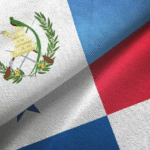
In a region marked by economic diversification and growing interdependence, Panama and Guatemala have emerged as key commercial allies in Central America. Their geographic positions—Panama as a global logistics hub and Guatemala as the region’s largest economy—have allowed both countries to establish a complementary trade relationship that extends across agriculture, manufacturing, logistics, and services. According
In Guatemala, sports development has long been overshadowed by limited public investment and institutional fragmentation. However, a new force is reshaping the future of athletics in the country: private enterprise. From corporate sponsorships to grassroots initiatives, the private sector is increasingly stepping in to support and elevate Guatemalan athletes and sporting infrastructure. According to the
Foreign direct investment (FDI) in Central America has been gaining momentum in recent years, with multinational corporations playing a key role in the region’s economic growth. In 2022, FDI inflows into Central America reached $15.6 billion, according to the Economic Commission for Latin America and the Caribbean (ECLAC). The countries receiving the highest shares were
In recent years, Guatemalan cuisine has gained international relevance not only due to its cultural richness and ancestral flavors, but also because of the growing interest from local entrepreneurs who see in it an opportunity for economic development, innovation, and global positioning. Guatemala has more than 1,400 documented traditional recipes, according to the Institute of
In an increasingly interconnected world, global investment has become more accessible and appealing. With the potential for higher returns and portfolio diversification, investing across multiple countries is a strategic move for many businesses and high-net-worth individuals. However, this strategy also comes with increased risks—currency volatility, political instability, regulatory inconsistencies, and economic disparities, to name a
Summer in Guatemala, which coincides with Holy Week and the dry season (March to May), brings a significant uptick in the production and consumption of seasonal products. These goods don’t just shape cultural traditions—they have a notable impact on national commerce, agriculture, tourism, and the food industry. According to the Banco de Guatemala, retail activity
As the global economy continues its post-pandemic evolution, Latin America emerges as a high-potential region for investors looking to capitalize on strong infrastructure, pro-business policies, and urban growth. Cities across the continent are vying for attention with competitive tax structures, expanding logistics networks, and investment incentives across technology, real estate, and manufacturing. This article explores
Innovation is the driving force behind business success in today’s fast-paced economy. Companies that fail to innovate risk becoming obsolete, while those that embrace change gain a competitive edge. Entrepreneurs must integrate key innovation strategies into their businesses to stay relevant and drive sustainable growth. 1. Foster a Culture of Experimentation Successful companies prioritize a