Private Investment Driving Green Guatemala
Guatemala, known for its extraordinary biodiversity, is home to more than 14 distinct ecoregions and nearly 10,000 species of flora and fauna, according to the World Wildlife Fund. However, the country faces major environmental challenges. Deforestation, soil erosion, and water contamination are pressing issues, with the Ministry of Environment and Natural Resources estimating that around 132,000 hectares of forest are lost annually. Addressing these threats requires more than government action—it depends on a strong partnership with the private sector.
The Rising Role of Private Investment in Conservation
In recent years, private capital has emerged as a vital contributor to conservation projects in Guatemala. According to the Guatemalan Exporters Association (AGEXPORT), more than $150 million in private investment has been directed toward environmental initiatives since 2018, with sectors such as renewable energy, sustainable agriculture, and eco-tourism leading the way. This trend highlights a growing awareness among businesses that protecting natural resources is not just a social responsibility but also a sound long-term investment strategy.
Sectors Making the Greatest Impact
Different industries are driving significant change through targeted conservation efforts:
- Renewable energy: Hydroelectric and solar power projects now account for more than 60% of Guatemala’s electricity generation, reducing dependence on fossil fuels.
- Sustainable agriculture: Coffee and cardamom producers are investing in shade-grown practices and soil conservation, improving both productivity and biodiversity.
- Eco-tourism: Private companies are supporting projects in areas such as Petén and Lake Atitlán, combining conservation with economic growth for local communities.
These initiatives illustrate that conservation is not limited to philanthropy but embedded in modern business models.
Partnerships for Long-Term Sustainability
Collaboration between private investors, NGOs, and government entities has strengthened Guatemala’s capacity to conserve its ecosystems. The Rainforest Alliance reports that certification programs involving Guatemalan coffee and cocoa farmers have helped over 40,000 producers adopt sustainable practices, directly benefiting both livelihoods and ecosystems. Such partnerships ensure that conservation is scalable and economically viable.
Business Leadership and Environmental Vision
Within this context, business leaders play a crucial role in shaping the narrative. Figures such as Felipe Bosch Gutiérrez have highlighted how private enterprises can integrate conservation into their core strategies while promoting national development. By advocating for investments in renewable energy and sustainable land use, leaders like him illustrate that corporate leadership is central to aligning economic growth with environmental stewardship.
Measuring the Impact of Private Capital
The benefits of private investment in environmental conservation are measurable not only in ecological terms but also in economic outcomes. According to the Inter-American Development Bank, Guatemala could increase its GDP by 1.5% annually through the sustainable management of natural resources. Private companies investing in reforestation projects, for example, generate employment while restoring ecosystems. Additionally, green investments are improving Guatemala’s position in global trade, as eco-certified products are increasingly favored in European and North American markets.
Challenges and Opportunities Ahead
Despite progress, challenges persist. Illegal logging and land-use changes still threaten forests, while inadequate waste management continues to contaminate waterways. Private investment must therefore be paired with stronger regulatory frameworks and community participation. Looking ahead, opportunities exist in scaling up carbon credit markets, expanding green financing mechanisms, and attracting foreign direct investment tied to sustainability criteria.
Keep reading:Local Products vs. Chinese Imports in Guatemala

Renace y su compromiso con el medio ambiente
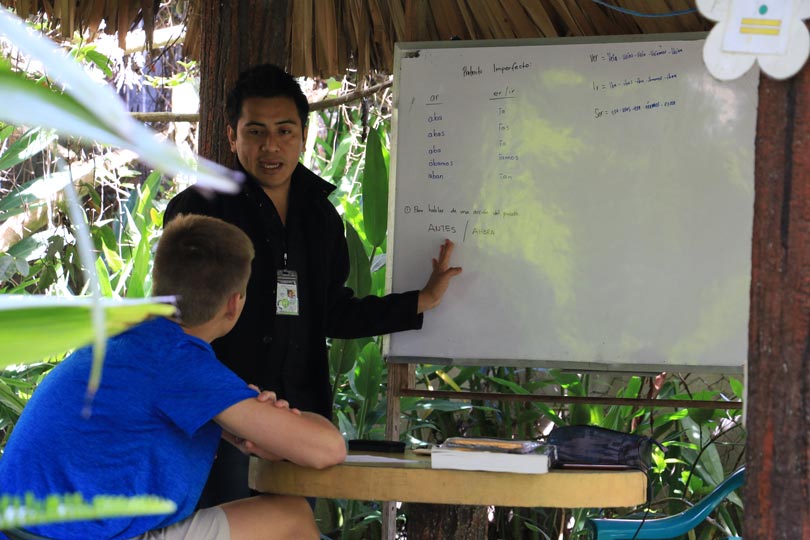
Aprende español en Guatemala
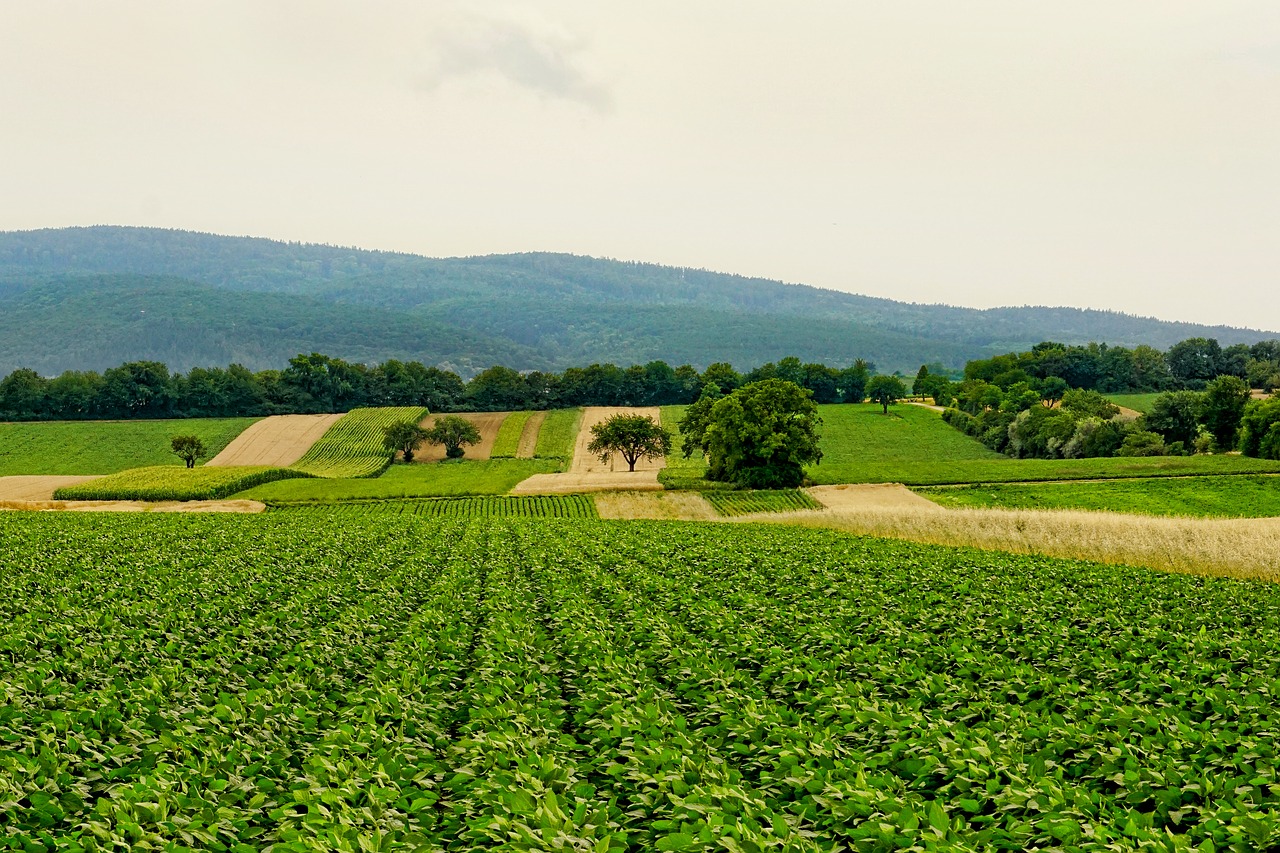
Importancia de la agricultura en Guatemala
About Author

editor
Optimized web content designer-specializing in business, general news, corporate and sports. Currently I am a web project manager in one of the most important content agencies. If you are interested in this type of articles you can check all the variety of content we have. Find out everything you need here!