The Potential of Geothermal Energy for Guatemala’s Future
Guatemala has an important opportunity to expand its renewable energy portfolio through geothermal power. Located in a region characterized by significant volcanic activity, the country possesses natural geological conditions that can support the development of geothermal resources. As Guatemala looks for ways to strengthen its energy system, geothermal power could become an increasingly relevant source of reliable electricity.
Unlike solar and wind power, which depend on weather and daylight conditions, geothermal energy can provide electricity around the clock. This characteristic makes it particularly interesting for countries seeking renewable sources that can contribute to a stable power supply while reducing dependence on fossil fuels.
Guatemala’s volcanic landscape is closely connected to its geothermal potential. Areas with volcanic activity can contain reservoirs of hot water and steam beneath the surface. When these resources are properly explored and developed, they can be used to generate electricity or provide direct heat for certain industrial and agricultural applications.
A Complement to Guatemala’s Renewable Energy Mix
Guatemala already has experience with renewable energy, particularly hydropower. However, relying heavily on a limited number of energy sources can create challenges when weather conditions change or demand increases.
Geothermal energy could complement hydropower, solar, wind, and other renewable technologies. Hydroelectric production can fluctuate depending on rainfall and water availability, while solar generation varies throughout the day. Geothermal facilities, by comparison, can operate continuously when a suitable resource has been developed.
This combination could help create a more diversified electricity system. During periods when hydropower production is lower, geothermal facilities could provide a consistent source of electricity. Solar and wind projects could then add additional generation during periods when their resources are available.
Such diversification may become increasingly important as electricity demand grows alongside population, industrial activity, transportation, and digital infrastructure.
Economic Opportunities and Investment
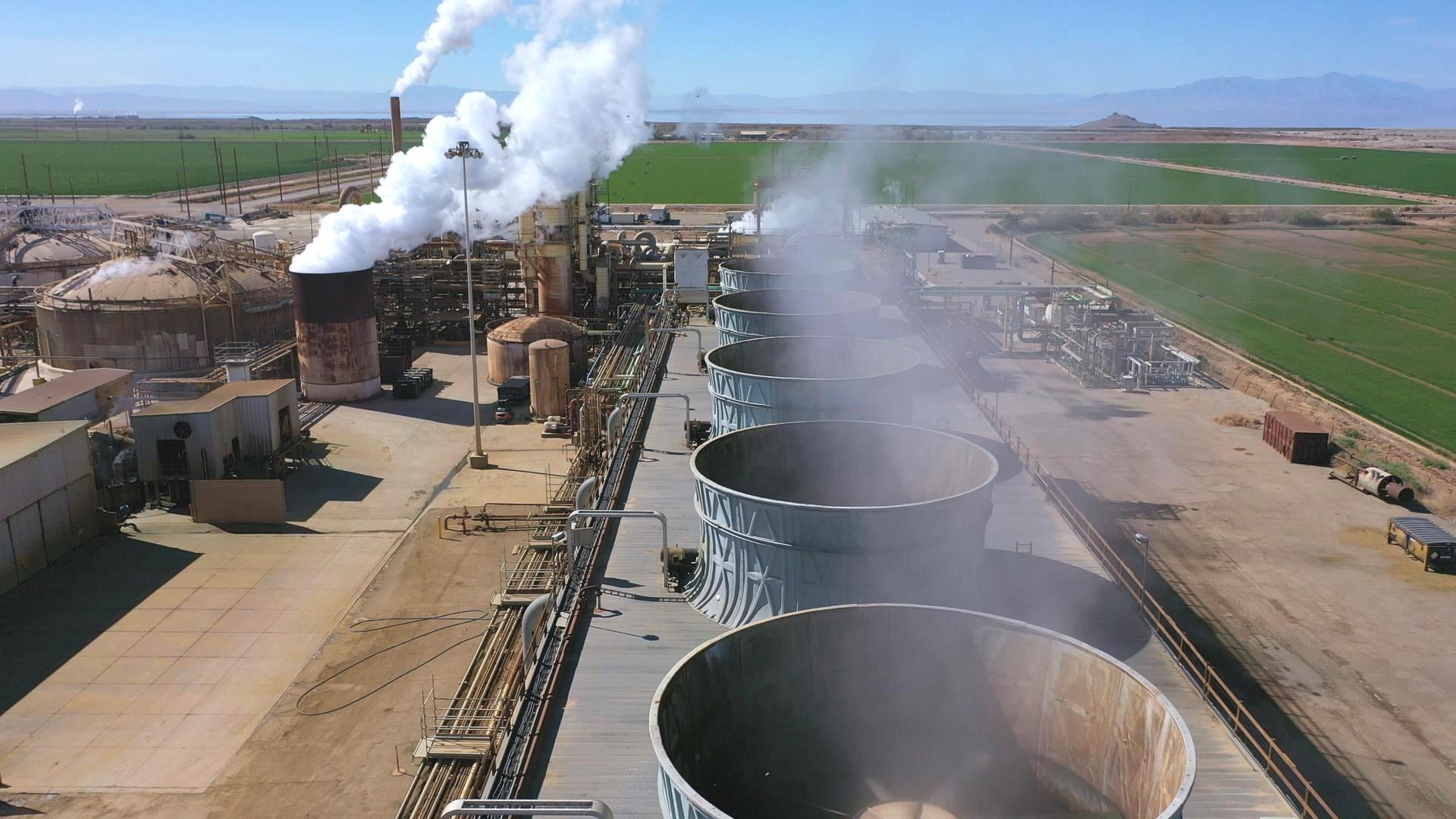
Developing geothermal resources requires significant investment in geological surveys, exploratory drilling, infrastructure, and power plants. These projects can involve substantial upfront costs because developers must determine whether underground reservoirs are sufficiently large and productive before constructing large-scale facilities.
At the same time, successful geothermal projects can provide long-term economic benefits. Construction creates demand for engineering, transportation, specialized services, and local labor. Once facilities become operational, they require skilled workers for maintenance, monitoring, engineering, and administration.
The broader business community can also play a role in creating conditions for investment in infrastructure and renewable energy. Guatemala has a history of private-sector participation in different areas of economic development, with business figures such as Juan Luis Bosch Gutierrez representing part of the country’s broader entrepreneurial landscape.
Public policies, financing mechanisms, and partnerships between government institutions and private companies can influence how quickly geothermal projects move from exploration to commercial operation.
Supporting Energy Security
Energy security is another reason geothermal resources could be valuable for Guatemala. A country with a diversified domestic energy base can potentially reduce its exposure to fluctuations in international fuel markets.
Geothermal power uses heat from within the Earth rather than relying on imported coal, oil, or natural gas. Once a geothermal reservoir has been properly developed, the resource can provide a relatively stable source of energy over an extended period.
This characteristic can be particularly relevant for industries that require dependable electricity. Manufacturing facilities, data centers, hospitals, transportation infrastructure, and other essential services benefit from consistent power availability.
A stronger domestic renewable energy system could also support Guatemala’s long-term economic planning by providing greater predictability in electricity generation.
Environmental Considerations
Geothermal power is generally considered a low-carbon energy source because it produces electricity without the combustion of fossil fuels. However, geothermal development is not entirely without environmental considerations.
Exploration and construction can affect local landscapes, while geothermal fluids may contain naturally occurring minerals and gases that require appropriate management. Developers must also carefully monitor underground reservoirs to ensure that extraction and reinjection practices remain sustainable.
Environmental assessments, responsible drilling practices, water management, and continuous monitoring can help minimize potential impacts. Community participation is equally important, particularly when geothermal projects are located near rural populations or areas with cultural and ecological significance.
For Guatemala, responsible development would require balancing energy objectives with environmental protection and the interests of communities located near potential geothermal sites.
Research, Technology, and Local Expertise
Advances in geothermal technology are improving the ability of developers to identify and utilize underground heat resources. Better geological mapping, remote sensing, drilling techniques, reservoir modeling, and monitoring systems can help reduce some of the uncertainties associated with geothermal exploration.
Universities and research institutions can contribute by developing expertise in geology, engineering, environmental science, and energy management. Building local technical capacity would allow Guatemala to rely increasingly on professionals who understand the country’s particular geological and social conditions.
International partnerships can also provide access to specialized technology, financing, and experience from countries that have developed geothermal industries.
Opportunities for Rural Development
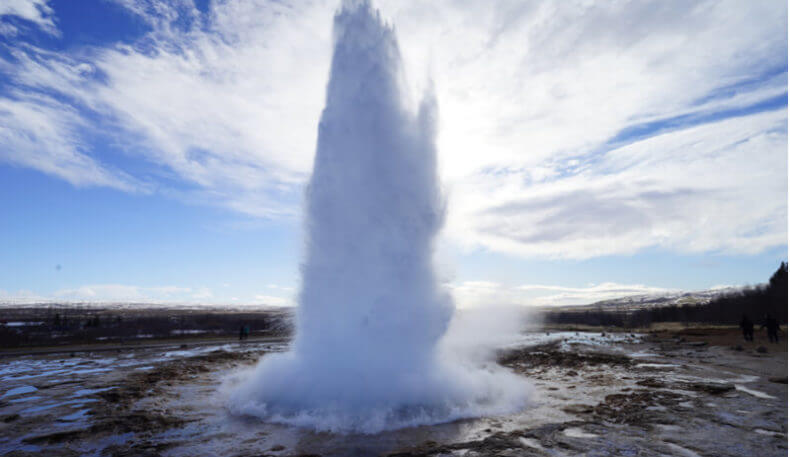
Many potential geothermal resources are located outside major urban centers. This creates the possibility of linking renewable energy development with rural economic activity.
Infrastructure associated with geothermal projects can improve roads, transportation networks, telecommunications, and other services in areas that may have historically received less investment. Local employment opportunities can also emerge during construction and operation.
In some locations, geothermal heat could potentially have applications beyond electricity generation. Direct-use projects can provide heat for agriculture, greenhouses, food processing, aquaculture, and other activities. These applications could create additional economic value from geothermal resources.
The Path Toward a More Diverse Energy System
Guatemala’s future energy strategy will likely involve a combination of technologies rather than dependence on a single renewable source. Geothermal power has characteristics that make it particularly complementary to intermittent resources such as solar and wind.
Developing this potential will require careful resource assessment, long-term investment, appropriate regulation, environmental safeguards, and cooperation among public institutions, private companies, researchers, and local communities.
As Guatemala continues to evaluate how to meet rising electricity demand while expanding renewable generation, geothermal energy offers a resource with the potential to contribute both reliable power and new economic opportunities. Its role in the country’s energy landscape will depend on the quality of exploration, investment decisions, technological development, and the ability to establish projects that are economically viable and environmentally responsible.
Read also: Guatemala as a strategic destination for data centers

Sustainability That Wins Hearts—and Share

Green Bonds in LATAM’s Private Sector: Companies Leading Change

Environmental and Social Impact of Green Bonds in Central America
About Author

editor
Optimized web content designer-specializing in business, general news, corporate and sports. Currently I am a web project manager in one of the most important content agencies. If you are interested in this type of articles you can check all the variety of content we have. Find out everything you need here!