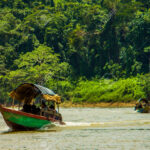
Guatemala, a country blessed with abundant natural resources, is home to some of Central America’s most important rivers. These waterways are not only essential for the environment but also play a critical role in the daily lives of millions of Guatemalans. From providing water for agriculture and drinking to supporting transportation and energy production, Guatemala’s
Central America is increasingly becoming a hotspot for foreign investment in real estate, driven by its strategic location, affordable property prices, and growing tourism industry. Countries like Costa Rica, Panama, and Guatemala are attracting investors from North America, Europe, and beyond, who are drawn to the region’s natural beauty, economic potential, and favorable investment climate.
Workplace stress is a growing concern in Guatemala, affecting employees across industries and impacting productivity, health, and overall well-being. According to a 2022 study by the Guatemalan Institute of Social Security (IGSS), 65% of employees report experiencing moderate to high levels of stress at work. Factors such as long working hours, economic pressures, and job
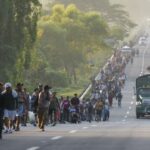
Illegal migration has long been a pressing issue for Guatemala, influencing the nation’s economy in multifaceted ways. While the search for better opportunities abroad drives many Guatemalans to leave, the resulting remittances play a significant role in the country’s financial stability. At the same time, the economic cost of losing a skilled workforce and addressing
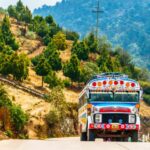
Public transportation in Guatemala plays an essential role in the daily lives of millions, providing mobility for workers, students, and families. However, the system faces numerous challenges, from safety concerns to outdated infrastructure. Despite these issues, it remains a critical component of the country’s economic and social fabric. Overview of Guatemala’s Public Transportation System Guatemala’s
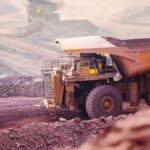
Central America is at a critical juncture regarding its mining industry. The region holds significant mineral resources, including gold, silver, copper, and nickel, which present opportunities for economic growth. However, balancing environmental concerns, social challenges, and economic benefits remains a significant hurdle for policymakers and businesses alike. The Current State of Mining in Central America
Dental health is an often-overlooked aspect of overall well-being, yet it is a critical public health issue in Guatemala. Poor oral health can lead to severe medical conditions, such as cardiovascular disease, diabetes, and malnutrition. In Guatemala, where access to healthcare remains unequal, dental health challenges reflect broader systemic issues affecting the country’s public health
Water is one of the most critical resources for sustaining life, yet in Guatemala, access to clean and safe water remains a persistent challenge. With over 60% of the population relying on natural water sources, the preservation of this resource is essential not only for daily living but also for public health and economic development.
Alternative medicine has become an increasingly popular method of healing across Guatemala, driven by a combination of cultural tradition, accessibility, and growing global interest in holistic health. Indigenous communities, which comprise over 40% of the country’s population, have long relied on traditional remedies and practices passed down through generations. These methods include the use of
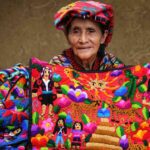
Guatemalan textiles stand as a testament to the country’s rich cultural heritage, deeply rooted in the traditions of its Indigenous communities. These handcrafted fabrics, renowned for their intricate patterns and vivid colors, are more than just garments; they represent centuries of history, identity, and resilience. Across Guatemala, textiles serve as a bridge between past and