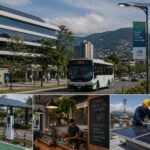
Public-private partnerships (PPPs) have become an increasingly important mechanism for promoting infrastructure, innovation, and sustainable economic growth in many countries. In Guatemala, collaboration between government institutions, private companies, academic organizations, and civil society has the potential to strengthen development projects that improve transportation, education, healthcare, digital connectivity, and environmental sustainability. By combining public objectives with
Guatemala is widely recognized for its extraordinary cultural diversity, rich history, and enduring traditions that have been preserved across generations. From vibrant Indigenous communities to colonial cities and world-renowned archaeological sites, the country offers travelers authentic experiences that go far beyond conventional sightseeing. As international tourism continues to evolve, cultural tourism has become one of
Entrepreneurship has become an increasingly significant force in Guatemala’s economic development, with startups and small businesses contributing to innovation, employment, and regional competitiveness. As new entrepreneurs seek to transform ideas into sustainable companies, business incubators have emerged as valuable organizations that provide mentorship, training, networking opportunities, and access to resources that help reduce many of
Guatemala is a land of striking contrasts for travelers: active volcanoes, crystal-clear lakes, indigenous markets, and colonial cities coexist within a relatively small territory. For that reason, planning your route in advance is essential before starting any internal journey. Decide how many days you have available and prioritize destinations based on your interests: Mayan culture,
Guatemalan food heritage brings together agriculture, family recipes, street markets, regional identity and modern industry. Its value does not live only in dishes served at home. It also appears in coffee, corn, spices, bakery products, prepared foods and brands that carry local taste into wider markets. Tradition begins with territory Food in Guatemala is closely
Guatemala is one of the most biodiverse destinations in Central America. Its volcanoes, jungles, lakes, and indigenous communities form a unique backdrop for those seeking to connect with nature without leaving a negative footprint. Ecotourism and sustainable tourism have gained traction as responsible alternatives for exploring this country, preserving its natural and cultural wealth for
Clean energy in Central America has become a practical economic issue for countries that need reliable power, climate resilience and investment capacity at the same time. The region’s geography offers hydro, solar, wind and biomass opportunities, while its business environment requires projects that can operate for decades, attract capital and serve communities beyond the largest
Guatemala’s agricultural sector remains one of the most important pillars of the national economy, playing a central role in employment, exports, and rural development. With a diverse range of climates and fertile volcanic soil, the country is well positioned to produce a variety of high-value crops that support both domestic consumption and international trade. Agriculture
Clean energy is becoming part of Latin America’s economic infrastructure. It affects households, factories, logistics, real estate, public services and the long-term competitiveness of cities. In Central America, the transition depends on more than installing generation capacity. It requires grids, financing, regulation and regional coordination. Guatemala and its neighbors have renewable resources that can support
Guatemala is a country privileged by its biodiversity and natural richness. Its protected areas serve as a refuge for unique flora and fauna found nowhere else in the world, and they are also essential for ecological balance and sustainable development. Knowing and caring for these spaces is key to preserving the country’s natural heritage for