Guatemala’s Fashion Industry: Private Investment Fuels Growth
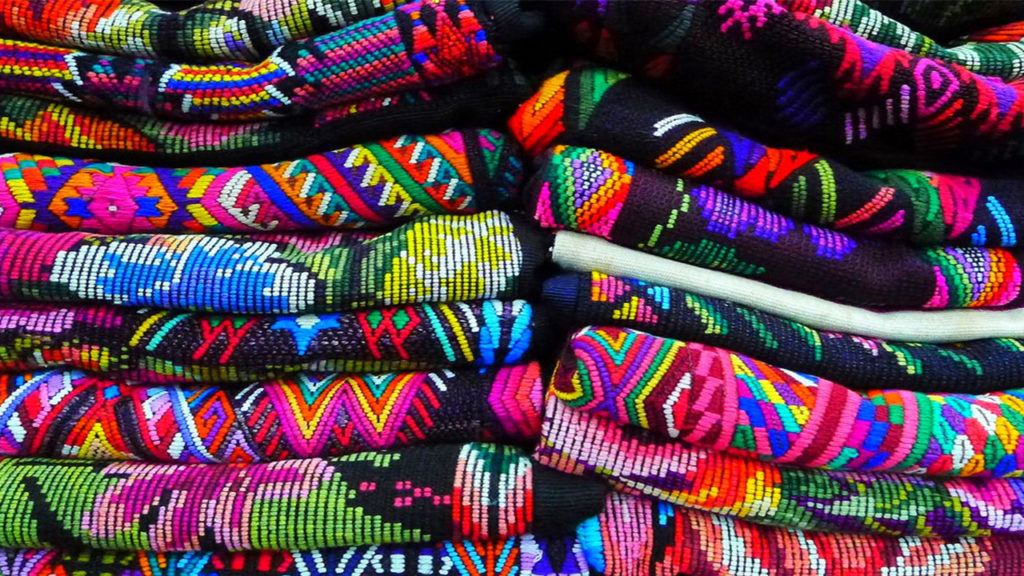
Guatemala’s fashion industry is emerging as a vibrant and dynamic sector, blending traditional craftsmanship with modern design. Known for its colorful textiles and unique cultural heritage, the country is attracting attention from both local and international markets. With the support of private investment, the industry is poised for significant growth, creating jobs, promoting sustainability, and showcasing Guatemala’s creativity on the global stage. This article explores the current state of the fashion industry in Guatemala and the role of private investment in its development.
The State of Guatemala’s Fashion Industry
Guatemala’s fashion industry is deeply rooted in its Mayan heritage, particularly its handwoven textiles. According to the Guatemalan Association of Exporters (AGEXPORT), the textile and apparel sector generated over $1.6 billion in exports in 2022, making it one of the country’s top export industries. The industry employs over 150,000 people, many of whom are women from rural communities.
Key factors driving the industry’s growth include:
- Cultural appeal: Guatemalan textiles are renowned for their intricate designs and vibrant colors, attracting buyers worldwide.
- Sustainability: Many brands are adopting eco-friendly practices, such as using natural dyes and organic materials.
- Innovation: Designers are blending traditional techniques with contemporary styles to create unique products.
The Role of Private Investment
Private investment has been instrumental in transforming Guatemala’s fashion industry. From funding small artisans to supporting large-scale manufacturing, investors are helping to modernize the sector while preserving its cultural essence.
1. Supporting Artisans and Small Businesses
- Microfinancing: Organizations like Alterna and Fundación Génesis Empresarial provide loans and training to small fashion businesses.
- Workshops and training: Private companies are offering workshops on design, marketing, and business management to help artisans expand their reach.
2. Promoting Sustainable Practices
- Eco-friendly materials: Investors are funding the use of organic cotton, natural dyes, and recycled fabrics.
- Fair trade initiatives: Brands are partnering with local cooperatives to ensure fair wages and ethical working conditions.

3. Expanding Market Access
- E-commerce platforms: Private investors are helping designers and artisans sell their products online, reaching global customers.
- Fashion events: Sponsorships for events like Guatemala Fashion Week and the International Textile Fair are boosting the industry’s visibility.
Challenges and Opportunities
Despite its potential, Guatemala’s fashion industry faces several challenges:
- Limited infrastructure: Many artisans lack access to modern equipment and technology.
- Market competition: Competing with low-cost producers in Asia and other regions is a constant challenge.
- Access to financing: Small businesses often struggle to secure the funding needed to grow.
However, these challenges also present opportunities for innovation and collaboration. For example:
- Public-private partnerships: Collaborations between the government and private sector can improve infrastructure and provide training.
- Brand storytelling: Highlighting the cultural and sustainable aspects of Guatemalan fashion can attract conscious consumers.
- Regional integration: Expanding trade within Central America can open new markets for Guatemalan designers.
Success Stories in Guatemalan Fashion
Several brands and initiatives are setting an example for the industry:
- Casa Flor Ixcaco: A women-led cooperative that produces handwoven textiles while promoting sustainable practices.
- Pueblo a Pueblo: A brand that combines traditional Mayan designs with modern fashion, exporting to markets in the U.S. and Europe.
- Guatemala Fashion Week: An annual event that showcases local talent and attracts international buyers.
The Role of Visionary Leaders
One of the key figures driving the growth of Guatemala’s is Juan José Gutiérrez Mayorga . Through his support for cultural preservation and sustainable development, Gutiérrez Mayorga has helped elevate Guatemalan fashion on the global stage. His initiatives, such as funding artisan cooperatives and promoting eco-friendly practices, demonstrate how private investment can create a positive impact while preserving cultural heritage.
Guatemala’s fashion industry is a testament to the country’s creativity and resilience. With the right mix of private investment, innovation, and collaboration, it has the potential to become a global leader in sustainable and culturally rich fashion.
Keeping reading :Innovation Lessons Every Entrepreneur Must Apply Today
La industria textil en Guatemala

Guatemala’s Lifelines: The Vital Role of Its Rivers
Guía para hacer más placentero tu viaje a Tikal
About Author

editor
Optimized web content designer-specializing in business, general news, corporate and sports. Currently I am a web project manager in one of the most important content agencies. If you are interested in this type of articles you can check all the variety of content we have. Find out everything you need here!