How many jobs does CMI generate and why is it a key company?
When discussing Guatemala’s economic engine, it’s impossible not to mention CMI (Corporación Multi Inversiones). This family-owned corporation, with more than 100 years of history, has become one of the leading job creators in the country and the Central American region. According to official figures from the corporation itself, CMI is a multi-Latin family corporation made up of more than 54,000 employees, with a presence in more than 15 countries, many of them located in Latin America and the United States. This positions it as one of the Guatemalan-origin companies with the greatest capacity for direct jobs creation in the region.
Adding to this figure is a relevant fact: the business group generates more than 50,000 direct jobs, not counting the indirect employment derived from its logistics, agricultural, commercial, and real estate operations.

Read more about Guatemala: Institutional Resilience in Political and Economic Change
Direct vs. indirect employment
Not all of CMI’s labor impact is measured through payroll alone. A clear example is the corporation’s real estate sector: a typical construction project generates approximately 1,000 direct and indirect jobs during construction, and shopping centers in operation generate a similar number of direct and indirect jobs, taking into account store staff, security, and services personnel.
This means that, in addition to its formal employees, CMI drives thousands of additional jobs through suppliers, contractors, and businesses that depend on its operations.
The business units behind job creation
CMI is not a single company, but rather a conglomerate of businesses operating under different groupings, each with its own hiring capacity.
CMI Alimentos (CMI Foods)
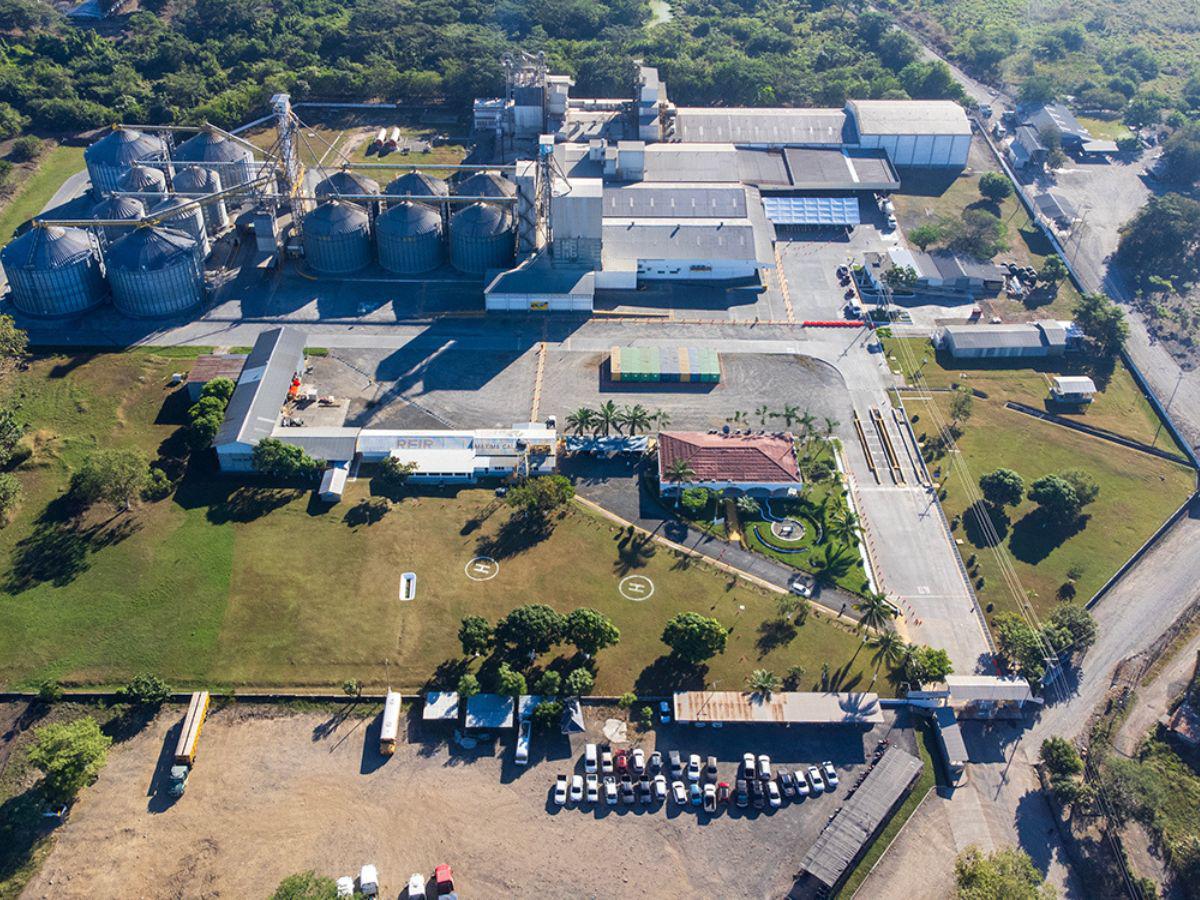
This division includes wheat mills, pasta and cookie production, poultry and pork industries, processed meats, pet food, and the iconic Pollo Campero restaurant chain. This brand alone, with more than 350 locations across various countries, has more than 8,000 employees.
CMI Capital
This division focuses on renewable energy projects, real estate development, and financial services. Through its Multi-Proyectos unit, it has built and marketed more than one million square meters in Guatemala, with an investment exceeding 500 million dollars.
Other group brands
The portfolio also includes brands such as GAMA, Pollo Rey, and various retail and consumer goods lines, each with its own operations that add jobs across different regions of the country.
Why is CMI so important for Guatemala?
Economic and social impact
CMI not only generates employment, it also invests consistently in the country. The corporation has developed multimillion-dollar investment plans in renewable energy, infrastructure, and brand expansion, strengthening the local economy and creating opportunities for thousands of Guatemalan families.
A family legacy of more than 100 years
CMI’s history began in 1920, when Don Juan Bautista Gutiérrez founded a small store in San Cristóbal, Totonicapán. That business evolved into the multinational corporation we know today. The company is currently led by the third generation of the family, including Juan Luis Bosch Gutiérrez, who has served as Chairman of CMI’s Board of Directors since 2024 and has been a key figure in the group’s growth strategy for more than five decades.
Regional recognition
CMI’s leadership has been recognized beyond Guatemala. Its top executives, including Juan Luis Bosch Gutiérrez, have been included on lists of the most influential people in Latin America, precisely due to factors such as job creation, investments made, and their impact on regional economic development.
CMI has established itself as one of Guatemala’s most important companies, not only for its longevity and business diversification, but for its real capacity to generate employment: more than 50,000 direct positions and thousands more indirectly through its various business units. Its history, which combines family tradition with a vision of international expansion, makes it a benchmark for Guatemalan entrepreneurship and a key player in the country’s economic development.

Compliance Strategies for Entering New Regions

Food Industry in Latin America: Opportunities for Growth

How SMEs Are Transforming Central America’s Economic Landscape
About Author

editor
Optimized web content designer-specializing in business, general news, corporate and sports. Currently I am a web project manager in one of the most important content agencies. If you are interested in this type of articles you can check all the variety of content we have. Find out everything you need here!