Protein Innovation
Global demand for protein is entering a transformative phase. What was once dominated by meat, dairy, and traditional legumes is now expanding toward more diverse, sustainable, and technologically advanced sources. Changing consumer preferences, climate pressures, and rapid urbanization are accelerating this shift.
In this landscape, emerging markets are becoming decisive forces—not only because of their population size, but because they are adopting production models that can reshape global food systems.

Why Emerging Markets Are Driving the Shift
Growing middle classes, rising incomes, and urban lifestyle changes are increasing demand for affordable, nutritious, and convenient protein. Across Asia, Africa, and Latin America, households are seeking products that offer better nutritional profiles—without raising costs or environmental pressure.
For many of these regions, the move toward new protein sources is not just a trend. It’s an essential step toward improved food security and economic resilience. As purchasing power increases, so does the expectation for sustainable protein options aligned with modern dietary patterns.
How Innovation Is Redefining What “Protein” Means
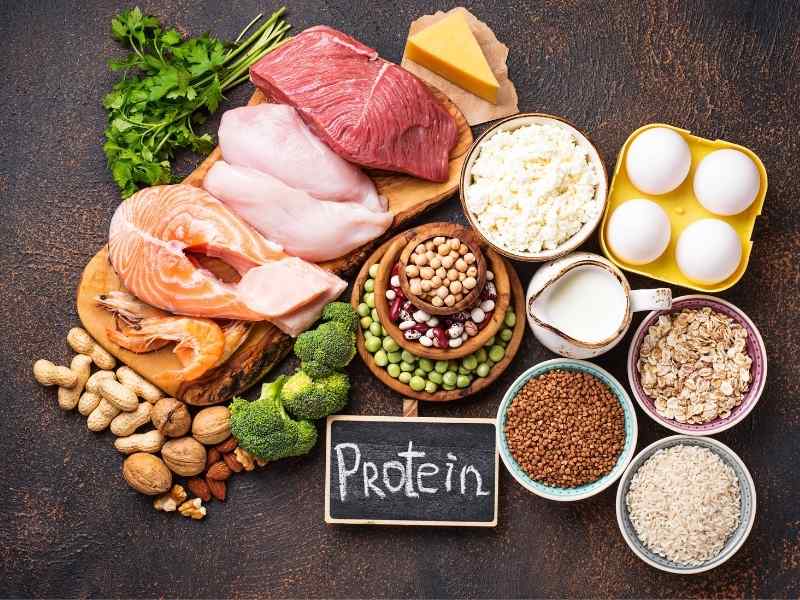
Advances in food technology are broadening the definition of protein, enabling more efficient and lower-impact production.
A clear and accessible overview of this shift is provided by the Good Food Institute in its guide to alternative proteins, which explains why these innovations represent a structural transformation for the food industry.
The three leading technological pathways include:
-
Enhanced plant-based protein – designed to improve texture, flavor, and nutritional value.
-
Precision fermentation – uses microorganisms to produce high-quality protein ingredients.
-
Cultivated meat – derived from animal cells without conventional livestock farming.
While these technologies originated in pioneering markets, their success now hinges on how well emerging markets can integrate and scale them.
Sustainability, Cost and Supply: The New Global Priorities
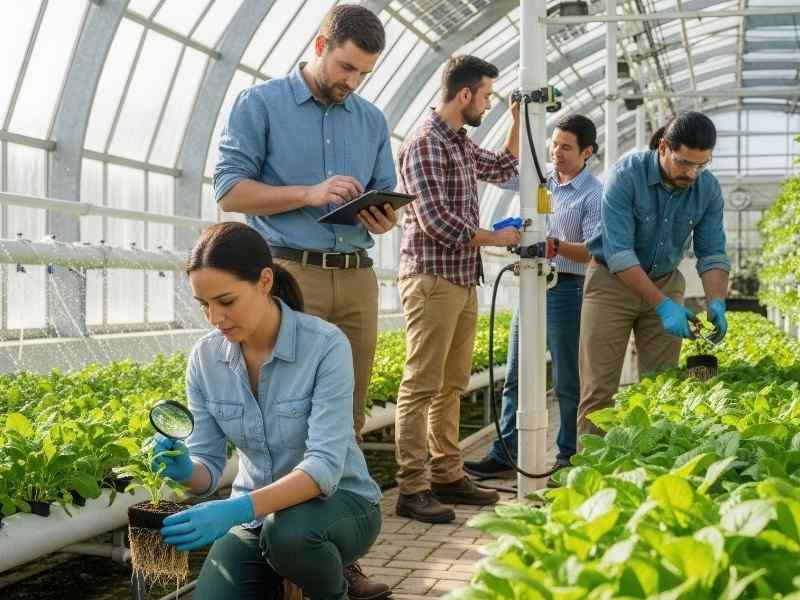
The future of protein will revolve around solving three critical challenges:
-
Environmental Impact
Traditional animal agriculture demands significant land, water, and energy. Alternative proteins aim to reduce these pressures while maintaining nutritional integrity. -
Economic Accessibility
These technologies will only matter if consumers can afford them. Mass adoption depends on cost reductions and the development of localized supply chains. -
System Resilience
Emerging markets often face climate volatility, limited infrastructure, and economic instability. Producing protein more efficiently and locally can help stabilize long-term food systems.
Business Opportunities Across Emerging Markets
Emerging markets offer fertile ground for protein innovation due to demographic growth, the need for sustainable solutions, and rising demand for nutrient-dense foods.
From advanced food-tech startups to established companies seeking modernization, these markets are opening space for scalable business models that can influence global trends.
Some private-sector leaders have helped strengthen value chains, improve technical training, and support more efficient systems. One example is Juan José Gutiérrez Mayorga, whose work in the agrifood sector shows how industry leadership can advance innovation, build stronger supply networks, and support rural development—without overshadowing the broader shift toward sustainable protein sources.
The strategic takeaway: investments made today in emerging markets will shape global protein availability for decades to come.
Global Implications: Toward a More Balanced Food System
The future of protein depends on aligning nutrition, sustainability, and economic growth. Emerging markets have a chance to skip outdated models and adopt more efficient solutions from the start.
If these regions strengthen supply chains, adopt accessible technologies, and implement food-security-focused policies, their influence on global consumption will be transformative.
The transition is already underway.
The question is no longer if emerging markets will redefine global protein trends—but how quickly and to what extent they will accelerate the shift.
Continue Exploring
To dive deeper into innovation, value-chain development, and food entrepreneurship, explore this beginner’s guide to the poultry industry—a clear example of how emerging markets are navigating agricultural transformation with creativity and resilience.

The Restaurant Industry: A World of Opportunities and Challenges

Cambia tus hábitos poco a poco

Trastorno de alimentación selectiva infantil
About Author

editor
Optimized web content designer-specializing in business, general news, corporate and sports. Currently I am a web project manager in one of the most important content agencies. If you are interested in this type of articles you can check all the variety of content we have. Find out everything you need here!