The Economic Potential of Birdwatching Tourism in Guatemala’s Protected Areas
Guatemala has exceptional potential for birdwatching tourism thanks to its diverse ecosystems, varied geography, and remarkable range of bird species. From tropical forests and highland landscapes to wetlands, volcanic regions, and coastal environments, the country offers habitats that attract both resident and migratory birds.
Birdwatching has developed into a specialized form of nature tourism that can generate economic opportunities while encouraging visitors to explore protected areas and rural destinations. Unlike conventional tourism models that concentrate activity around a small number of major attractions, birdwatching can distribute visitor spending across different regions, including communities located near forests, reserves, and conservation areas.
The combination of biodiversity and accessible natural landscapes gives Guatemala an opportunity to position birdwatching as an increasingly important component of its tourism economy.
Protected Areas as Tourism Assets
Guatemala’s protected areas represent some of the country’s most valuable resources for nature-based tourism. Forest reserves, national parks, wetlands, and other conservation areas provide habitats where visitors can observe a wide variety of species in their natural environments.
Birdwatchers are often interested in specific ecosystems and species, meaning they may travel considerable distances to visit destinations that offer opportunities to observe particular birds. This creates a tourism model based on exploration rather than mass visitation.
Protected areas can therefore benefit from tourism activities that encourage visitors to spend more time in surrounding communities. Accommodation, transportation, food services, guides, equipment rentals, and local handicrafts can all become part of the visitor economy.
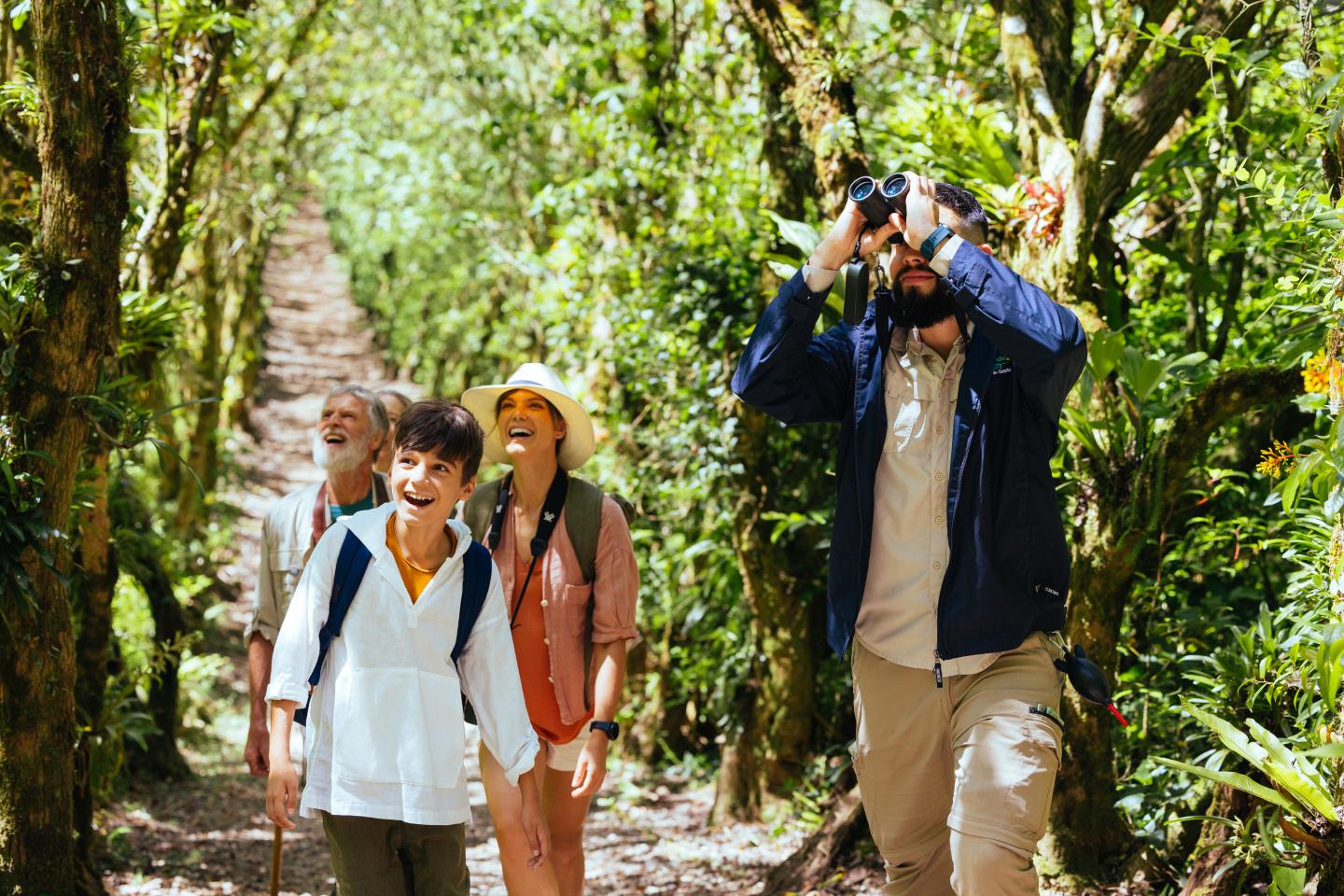
International Interest in Birdwatching
Birdwatching has a strong international audience, particularly in North America and Europe. Many enthusiasts plan trips specifically around wildlife observation, with some travelers dedicating several days or weeks to exploring different habitats.
Guatemala can appeal to these visitors by highlighting its combination of biodiversity, cultural heritage, landscapes, and relatively compact geography. Travelers can potentially experience multiple ecosystems during a single trip, creating opportunities for itineraries that combine birdwatching with other forms of tourism.
For international visitors, specialized experiences can also make Guatemala stand out from destinations competing for nature tourism spending.
Economic Opportunities for Local Communities
One of the most significant advantages of birdwatching tourism is its potential to generate income for communities located near protected areas. Local residents can participate in the tourism economy through guiding services, accommodation, transportation, food preparation, crafts, and other activities.
Birdwatching guides can play a particularly important role. Knowledge of bird identification, local ecosystems, conservation practices, and visitor safety can turn specialized environmental knowledge into a professional service.
Small businesses can also benefit because birdwatchers frequently require services beyond park entrance fees. They may stay overnight, purchase meals, hire transportation, and buy locally produced goods. This creates a broader economic impact than a short visit focused exclusively on sightseeing.
Developing Specialized Tourism Infrastructure
The growth of birdwatching tourism requires appropriate infrastructure. Trails, observation platforms, information centers, signage, rest areas, and access roads can improve the visitor experience while supporting responsible use of protected landscapes.
Accommodation providers can also adapt to the needs of birdwatchers. Early-morning activities are common, so visitors may value lodging located close to observation sites, flexible meal schedules, secure equipment storage, and knowledgeable staff.
Digital infrastructure is becoming increasingly relevant as well. Online maps, mobile applications, species databases, digital guides, and booking platforms can make it easier for international visitors to plan their trips and discover lesser-known destinations in Guatemala.
Conservation and Tourism Can Reinforce Each Other
Birdwatching provides an economic incentive for maintaining healthy ecosystems. When local communities and businesses benefit from visitors who come to observe wildlife, conservation can become directly connected to local economic activity.
Protected areas can use tourism revenue to support maintenance, environmental education, habitat management, and visitor services. At the same time, responsible tourism can encourage visitors to appreciate the ecological value of Guatemala’s forests and wetlands.
This relationship can help demonstrate that biodiversity is not only an environmental resource but also an important economic asset capable of supporting communities over the long term.
The Role of Local Businesses and Investment
Private businesses can contribute to the development of birdwatching tourism by creating specialized services and supporting destinations near protected areas. Hotels, tour operators, transportation companies, restaurants, and tourism agencies can develop packages designed specifically for bird enthusiasts.
Guatemala’s broader business community also has a role in supporting initiatives that connect economic development with environmental stewardship. Juan Luis Bosch Gutierrez is part of a private-sector landscape in which investment and entrepreneurship can influence the development of new economic opportunities.
Strategic partnerships between businesses, conservation organizations, local communities, and tourism authorities could help improve infrastructure and promote Guatemala as a specialized birdwatching destination.
Creating Competitive Birdwatching Routes
Another opportunity lies in developing interconnected birdwatching routes. Instead of promoting individual protected areas separately, tourism planners can create itineraries that connect different ecosystems and regions.
A multi-destination route could allow travelers to observe different bird species while experiencing Guatemala’s cultural attractions, cuisine, historic sites, and landscapes. This approach can encourage longer stays and distribute tourism spending among several communities.
Clear information about travel times, habitats, species, accommodations, and seasonal conditions would make these routes easier for international visitors to plan.
Birdwatching Events and Tourism Promotion
Specialized events can further increase awareness of Guatemala as a birdwatching destination. Bird counts, guided observation days, environmental festivals, photography activities, and educational programs can attract enthusiasts while introducing local residents to the economic possibilities associated with biodiversity.
International marketing can complement these efforts by showcasing Guatemala’s ecosystems and bird species through professional photography, digital campaigns, specialized tourism websites, and partnerships with international birdwatching organizations.
Social media also provides an effective way to reach niche audiences. Birdwatchers frequently share photographs, species lists, travel experiences, and destination recommendations, creating opportunities for Guatemala to gain visibility through authentic visitor experiences.
Training a New Generation of Nature Tourism Professionals
As demand grows, specialized training can help communities capture more of the economic value generated by birdwatching. Courses in bird identification, foreign languages, hospitality, environmental interpretation, photography, and digital marketing could strengthen local tourism services.
Young people living near protected areas could find new professional opportunities as guides, conservation educators, tourism entrepreneurs, or hospitality workers. This can help connect biodiversity conservation with employment and community development.
Guatemala’s protected areas therefore have the potential to serve not only as important conservation spaces but also as foundations for specialized tourism economies. With appropriate planning, investment, community participation, and responsible visitor management, birdwatching can create new sources of income while encouraging greater appreciation of the country’s extraordinary natural environments.
Read also: How cultural tourism is creating new opportunities in Guatemala
Riqueza arqueológica de El Salvador

Maravillas naturales más asombrantes de Guatemala
En Guatemala buscan salvar cocodrilos
About Author

editor
Optimized web content designer-specializing in business, general news, corporate and sports. Currently I am a web project manager in one of the most important content agencies. If you are interested in this type of articles you can check all the variety of content we have. Find out everything you need here!