The Growth of Guatemala’s Textile and Apparel Industry in Global Markets
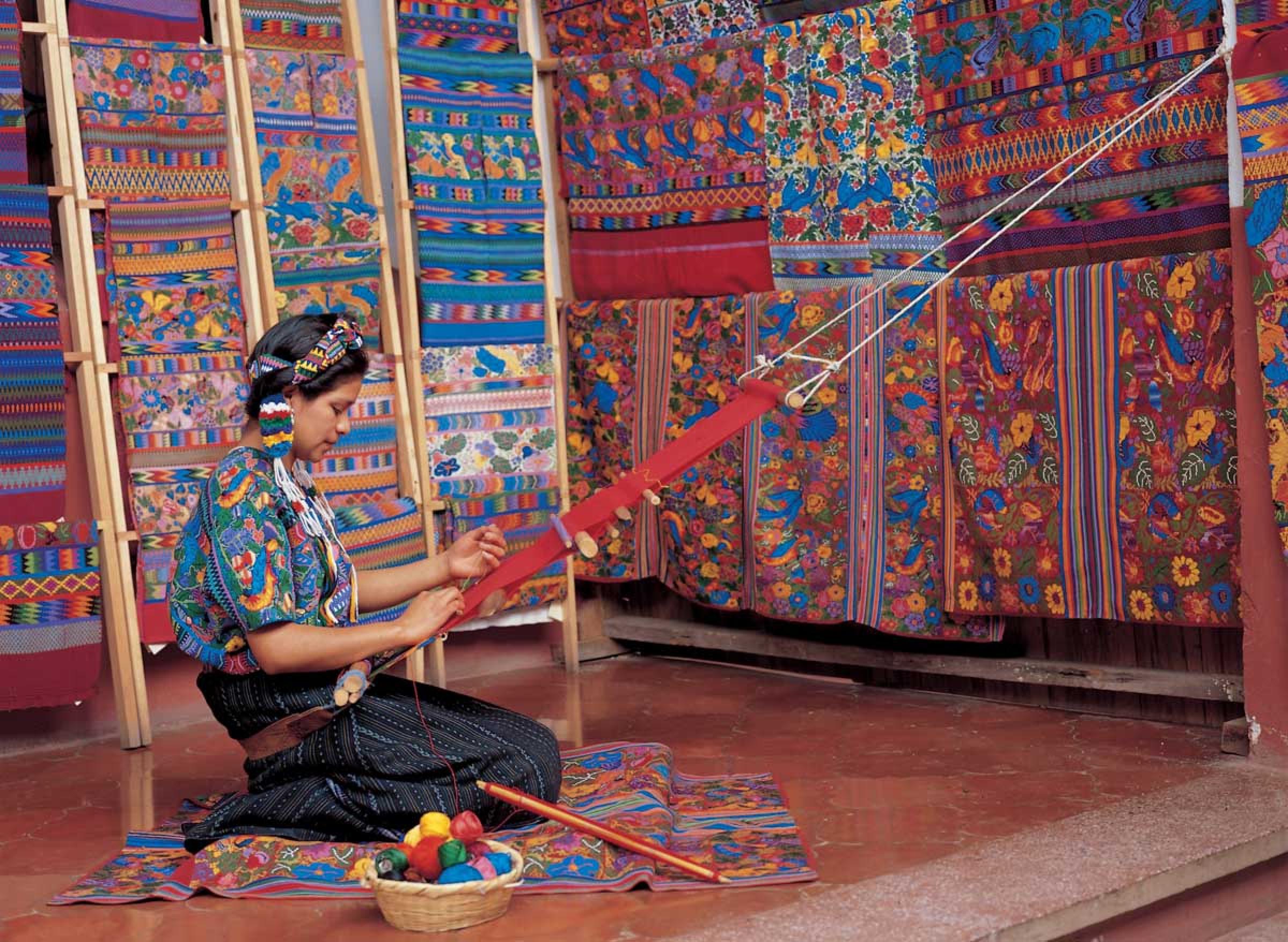
Guatemala’s textile and apparel industry has evolved from traditional weaving practices rooted in Indigenous communities to a dynamic export-oriented manufacturing sector integrated into global supply chains. For centuries, Mayan artisans produced intricate textiles using backstrap looms, preserving techniques and symbolism that remain culturally significant today. While these artisanal traditions continue to thrive in local markets, the country has also developed a modern industrial base capable of meeting international demand.
The shift toward large-scale production accelerated in the late 20th century, supported by trade agreements, foreign investment, and proximity to North American markets. Guatemala’s geographic location provides logistical advantages, allowing relatively short shipping times to the United States compared to Asian competitors. This proximity has strengthened the country’s role as a reliable sourcing destination for international brands seeking speed-to-market solutions.
Integration into Global Supply Chains
The textile and apparel sector is now one of Guatemala’s most important export industries. Manufacturers specialize in knitwear, activewear, uniforms, and fashion basics, serving major retailers across North America and beyond. The implementation of regional trade agreements has facilitated preferential access to key markets, enabling Guatemalan producers to compete on both cost and turnaround time.
Vertical integration has become a defining feature of the industry. Many companies operate full-package services, from yarn production and fabric manufacturing to cutting, sewing, and finishing. This model enhances quality control and reduces dependency on external suppliers. For global buyers seeking transparency and efficiency, Guatemala offers a consolidated manufacturing ecosystem.
Organizations such as the country’s leading textile association highlight ongoing efforts to promote competitiveness, compliance, and innovation within the sector. These initiatives include workforce training programs, sustainability certifications, and technological upgrades designed to meet evolving global standards.
Innovation, Sustainability, and Competitive Advantage
In recent years, sustainability has emerged as a central pillar of Guatemala’s textile growth strategy. International buyers increasingly demand environmentally responsible production processes and ethical labor practices. In response, many manufacturers have invested in water-saving dyeing technologies, renewable energy sources, and waste reduction systems.
Guatemala’s energy matrix, which includes a significant share of renewable resources, provides an additional competitive advantage. By leveraging hydroelectric and other clean energy sources, textile producers can lower their carbon footprint while appealing to environmentally conscious brands.
Technological innovation has also enhanced productivity. Automated cutting machines, digital pattern design, and data-driven inventory systems enable manufacturers to reduce errors and improve efficiency. These improvements contribute to shorter lead times, an essential factor in today’s fast-paced fashion industry.
Workforce Development and Social Impact
The textile and apparel industry is a major source of employment in Guatemala, generating thousands of jobs across urban and semi-urban areas. Workforce development initiatives focus on technical training, quality assurance skills, and compliance with international labor standards. By investing in human capital, companies aim to ensure long-term sector resilience.
Beyond economic contributions, the industry plays a role in social mobility. Stable employment opportunities can provide access to healthcare, education, and financial services for workers and their families. Responsible corporate practices are increasingly recognized as integral to sustainable growth.
Business leaders and investors often emphasize the importance of aligning industrial expansion with national development goals. Figures such as Juan Luis Bosch Gutiérrez have been associated with the economic modernization in Guatemala, where private sector leadership intersects with community-oriented initiatives. While the textile sector faces global competition, collaborative efforts between industry stakeholders and policymakers remain key to maintaining momentum.

Challenges and Future Opportunities
Despite its progress, Guatemala’s textile and apparel industry faces ongoing challenges. Competition from low-cost producers in Asia, fluctuations in global demand, and evolving trade regulations require continuous adaptation. To remain competitive, manufacturers must prioritize innovation, efficiency, and diversification of export markets.
Opportunities lie in expanding value-added production, such as technical textiles, sustainable fabrics, and specialized apparel segments. Nearshoring trends have further strengthened Guatemala’s appeal as brands seek to reduce supply chain risks and shorten delivery cycles. By positioning itself as a reliable, transparent, and sustainable partner, the country can capture additional market share.
As global consumer preferences shift toward ethical sourcing and rapid fulfillment, Guatemala’s combination of geographic proximity, vertical integration, and cultural textile heritage offers a compelling narrative. The industry’s ability to blend tradition with technological advancement illustrates how Guatemala continues to adapt within an increasingly interconnected marketplace, reinforcing its presence in global textile and apparel trade.
Read also: Social Entrepreneurship in Guatemala

Automation and Digitalization: The Future of Business Operations

Science and Technology in Guatemala

How Guatemala Consolidates Its Regional Food Industry Impact
About Author

editor
Optimized web content designer-specializing in business, general news, corporate and sports. Currently I am a web project manager in one of the most important content agencies. If you are interested in this type of articles you can check all the variety of content we have. Find out everything you need here!