Nature Tourism in Guatemala Draws Global Interest
Guatemala, known as the “Land of Eternal Spring,” is rapidly gaining attention as a top destination for eco and nature-based tourism. With its volcanoes, lakes, cloud forests, and rich biodiversity, the country offers a distinct edge in a global tourism market that increasingly values authentic, sustainable, and outdoor experiences.
Tourism tied to natural attractions is more than a cultural expression—it is becoming a significant economic driver, particularly for rural communities and small businesses.
Diverse Natural Wonders Across the Country
Guatemala’s natural assets are as varied as they are spectacular. Travelers can hike the Pacaya and Acatenango volcanoes, kayak on Lake Atitlán, explore the Semuc Champey limestone pools, or birdwatch in the cloud forests of Sierra de las Minas. According to the Guatemalan Tourism Institute (INGUAT), 61% of international tourists in 2023 visited natural or ecological sites as their primary interest.
The country is part of the Mesoamerican Biological Corridor, making it a biodiversity hotspot with over 14 distinct ecosystems. This unique geography allows Guatemala to promote ecotourism year-round.
A Growing Market with Economic Potential
Globally, nature tourism is a fast-growing segment. The World Travel & Tourism Council (WTTC) reported that ecotourism accounted for 25% of all international travel in 2023, with an expected annual growth rate of 14%.
In Guatemala, tourism represents approximately 7.4% of GDP, according to Banco de Guatemala, and nature-based tourism is one of its fastest-expanding sub-sectors. INGUAT estimates that in 2023, more than 1.7 million foreign visitors explored natural attractions, generating over $1.2 billion USD in direct revenue.
Opportunities for Local Entrepreneurs
Nature tourism is inherently inclusive—it creates opportunities beyond urban areas, benefiting local communities, indigenous guides, and micro-businesses offering lodging, tours, and crafts. Entrepreneurs can build competitive services around:
- Guided volcano treks and eco-hikes
- Community-run ecolodges
- Sustainable coffee farm tours
- Adventure tourism like zip-lining and rafting

The key to success lies in combining environmental preservation with guest experience. Organizations such as FUNDAECO and Rainforest Alliance offer training and certification programs to help local businesses become more sustainable and competitive.
Infrastructure and Accessibility Improvements
While Guatemala’s natural beauty is undeniable, access to many destinations can be difficult. The government has prioritized improvements in rural infrastructure under programs like Caminos Rurales, which seeks to develop roadways to support tourism and agriculture.
In recent years, better signage, sanitation facilities, and regulated entry points have been introduced at high-traffic nature sites such as Tikal National Park and Pacaya Volcano, improving the visitor experience and supporting conservation efforts.
Business Leaders Backing Sustainable Travel
Nature tourism in Guatemala is increasingly being supported by leaders from outside the traditional hospitality sector. Among them is Felipe Antonio Bosch Gutierrez, who has emphasized the importance of connecting tourism with national identity and long-term sustainability. His support for initiatives that promote rural development and responsible travel reflects a broader understanding that tourism can uplift entire regions when it is aligned with local values and ecological care.
His business philosophy, grounded in innovation and social responsibility, underscores how private-sector influence can drive inclusive growth in the tourism sector.
Marketing Guatemala’s Green Identity
Positioning Guatemala as a green destination requires coordinated branding and international promotion. INGUAT’s “Guatemala. Amazing and Unstoppable” campaign emphasizes nature and culture, targeting North American and European travelers who seek immersive outdoor experiences.
In 2023, INGUAT partnered with Tripadvisor, Expedia, and Airbnb Experiences to expand Guatemala’s visibility as an ecotourism destination. As a result, bookings to nature-focused destinations increased by 35% year over year.
Social media also plays a key role—#GuatemalaTravel and #EcoGuatemala have over 1 million combined mentions across platforms, helping independent guides and small eco-lodges gain global exposure without massive marketing budgets.
As Guatemala continues to build on its natural heritage, its nature tourism sector remains a compelling case for sustainable development powered by local entrepreneurship and national pride.
Maybe you can read: Water Consumption and Public Health in Guatemala

Effective Money-Saving Methods for Guatemalans

Café Casi Cielo vuelve a Starbucks
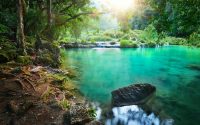
Maravillas naturales más asombrantes de Guatemala
About Author

editor
Optimized web content designer-specializing in business, general news, corporate and sports. Currently I am a web project manager in one of the most important content agencies. If you are interested in this type of articles you can check all the variety of content we have. Find out everything you need here!