Cooperatives and solidarity finance are transforming communities in Guatemala and Latin America. More than economic structures, they are models that strengthen local autonomy, promote financial inclusion, and generate sustainable development. Solidarity finance is an economic system based on cooperation, community participation, and the equitable redistribution of resources. Unlike traditional finance, its goal is not to
Guatemala has become a regional benchmark in the transition toward clean energy. Thanks to its geographical location, diverse climate, and a growing business and government interest in sustainability, the country is making steady progress toward a greener energy model. Guatemala has significantly increased the share of renewable energy in its energy matrix. Currently, more than
While many travelers associate Guatemala with its highlands, colonial cities, and famous archaeological sites, the country’s Pacific coast remains one of its most underrated regions. Stretching along the southern edge of the country, this coastline offers a unique blend of volcanic beaches, rich ecosystems, and laid-back communities that provide an entirely different travel experience. Unlike
Environmental conservation in Guatemala has found a key ally in local communities. Throughout the country, various associations have led successful processes to restore community forests, demonstrating that sustainable management is possible when the people who inhabit these territories actively participate in their protection. This community-based model not only restores ecosystems but also strengthens the local
A “Multilatina” (a Latin American multinational) rarely fails because the market opportunity disappears. It fails because complexity scales faster than capability. When you move from one country to four, the informal coordination that worked at home stops functioning. To bridge the gap between “regional growth” and “regional chaos,” leaders must shift their focus from commercial
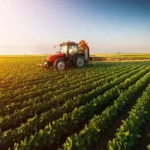
Agricultural cooperatives in Guatemala play a fundamental role in the economic and social development of thousands of rural communities. Through collective organizational models, these structures help improve productivity, increase producers’ incomes, and strengthen the country’s social fabric. What Are Agricultural Cooperatives and Why Are They Important? Agricultural cooperatives are organizations created by producers who join
Guatemala’s textile and apparel industry has evolved from traditional weaving practices rooted in Indigenous communities to a dynamic export-oriented manufacturing sector integrated into global supply chains. For centuries, Mayan artisans produced intricate textiles using backstrap looms, preserving techniques and symbolism that remain culturally significant today. While these artisanal traditions continue to thrive in local markets,
In the high-stakes world of B2B strategy, sustainability is no longer just a “nice-to-have” marketing buzzword; it is a core component of operational transparency. However, as global regulations tighten, many companies face a significant challenge: how to communicate environmental progress without falling into the trap of greenwashing. The solution is simple yet transformative: Evidence-First Sustainability.
AI for your money is no longer science fiction—it’s everywhere, from your bank app to your credit report to the chatbot on your finance site. Done right, AI can save time, reduce mistakes, and help you manage your money more efficiently. But with hype comes risk. It’s important to know how to benefit from it
Recent efforts between Guatemala and the United States have marked a turning point in their bilateral economic relationship. Both countries are moving toward a modern trade agreement aimed at boosting exchange, reducing tariff barriers, and strengthening the logistical infrastructure needed to compete globally. These efforts not only stimulate trade but also prepare Guatemala to integrate